


Ultrasonic Cavitation Gallery
$$MultiPurposeText$$
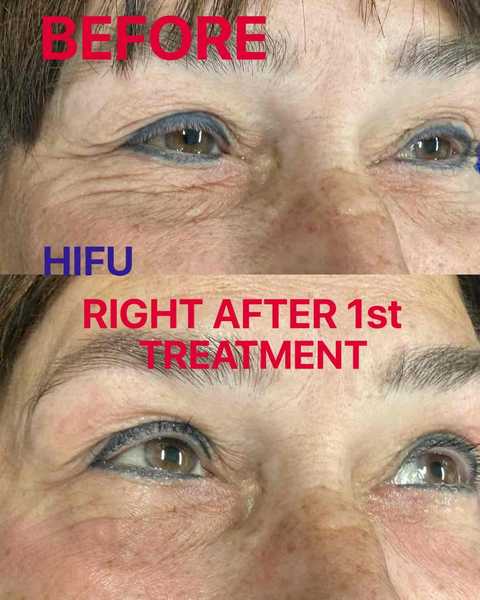
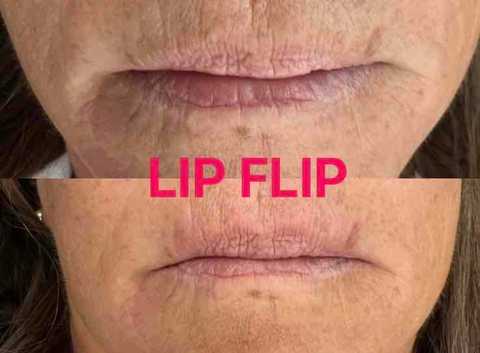
See examples of our Ultrasonic Cavitation work and results.






What Our Clients Say
$$MultiPurposeText$$
Read testimonials from our satisfied customers

The process was fast and painless. The studio was also nice and comfortable. I will defini...more

Wonderful service! She did an amazing job with my mom and my facials. Highly recommended.

Nice facility, great service, and a very accommodating owner. I would recommend.

Had my first procedure and had a great experience. Looking forward to my next and seeing t...more

So happy to have found my new go-to place!!! Very happy with my first visit! Thank you so ...more

Great customer service. Very clean and nice atmosphere.

Frequently Asked Questions
Get answers to common questions about Ultrasonic Cavitation.
Ultrasonic Cavitation uses focused ultrasonic waves to create micro-bubbles in fat cells, disrupting their membranes. The released fat is metabolized and eliminated through the lymphatic and urinary systems, producing gradual reduction over weeks as the body clears the debris.
Yes, Ultrasonic Cavitation is generally safe when performed by licensed professionals. It’s non-invasive with low risk, but not recommended for pregnant women, people with pacemakers, or active infections. A consultation and medical history review determine suitability and ensure safe treatment.
Most clients require between six and twelve sessions, spaced about one week apart. Some notice improvement after two or three sessions, while optimal results appear after the full series combined with healthy diet, exercise, and recommended maintenance treatments.
Expect a warm, tingling sensation as the device passes over treated areas. Sessions typically last 30–60 minutes with no anesthesia. Mild redness or tenderness can occur, but you can resume normal activities immediately. Your technician will discuss the plan beforehand.
Common side effects are temporary: mild swelling, bruising, numbness, or increased urination as fat is processed. These typically resolve within days to weeks. Serious complications are rare; follow post-treatment guidance—hydration and light massage—and contact us if symptoms persist.
Visible contouring changes can appear within two to eight weeks as your body eliminates disrupted fat. Improvements are cumulative across sessions; most clients see steady progress after several treatments. Combining treatments with healthy habits and lymphatic support accelerates noticeable results.