


Ultra Laser Facial (Photofacial) Gallery
$$MultiPurposeText$$
See examples of our Ultra Laser Facial (Photofacial) work and results.


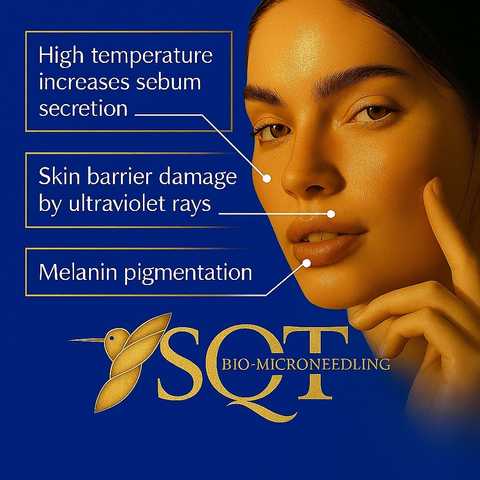

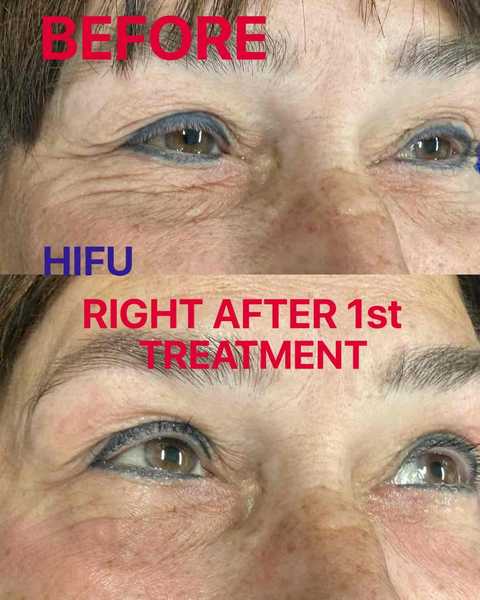

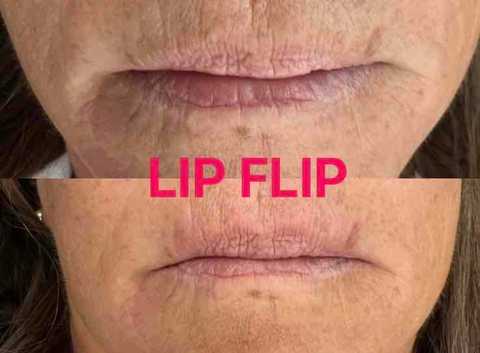

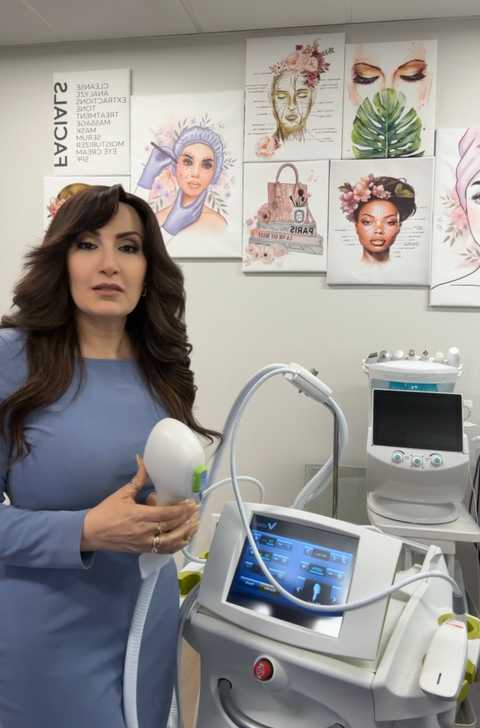
What Our Clients Say
$$MultiPurposeText$$
Read testimonials from our satisfied customers

The process was fast and painless. The studio was also nice and comfortable. I will defini...more

Wonderful service! She did an amazing job with my mom and my facials. Highly recommended.

Nice facility, great service, and a very accommodating owner. I would recommend.

Had my first procedure and had a great experience. Looking forward to my next and seeing t...more

So happy to have found my new go-to place!!! Very happy with my first visit! Thank you so ...more

Great customer service. Very clean and nice atmosphere.

Frequently Asked Questions
Get answers to common questions about Ultra Laser Facial (Photofacial).
Most clients need three to five sessions spaced four to six weeks apart. Some see improvement after the first treatment, but optimal results require multiple sessions tailored to pigmentation severity and skin type during consultation.
Most people feel comfortable during treatment—the device produces warm pulses and brief snapping sensations. Topical numbing can be applied for extra comfort, and we monitor responses throughout to adjust settings for client comfort.
Ideal candidates have sun-damaged skin, age spots, uneven pigmentation, or mild vascular concerns. Those with darker skin tones need an evaluation because risks differ; a consultation determines suitability and a customized treatment plan.
Expect mild redness and possible darkening or light crusting of pigmented spots, which typically flake off within days to a week. Avoid sun exposure, wear sunscreen, and follow our post-care instructions for best healing and results.
Yes. The Ultra Laser Facial targets melanin to break up age spots and sun damage, improving clarity and tone. Multiple treatments often deliver the best results, and combining with topical brighteners can enhance outcomes.
Common side effects include temporary redness, swelling, and transient darkening of spots before they flake off. Rare risks include blistering or pigment changes, especially with darker skin. A consultation and patch test reduce complications.