


Resurfacing Gallery
$$MultiPurposeText$$
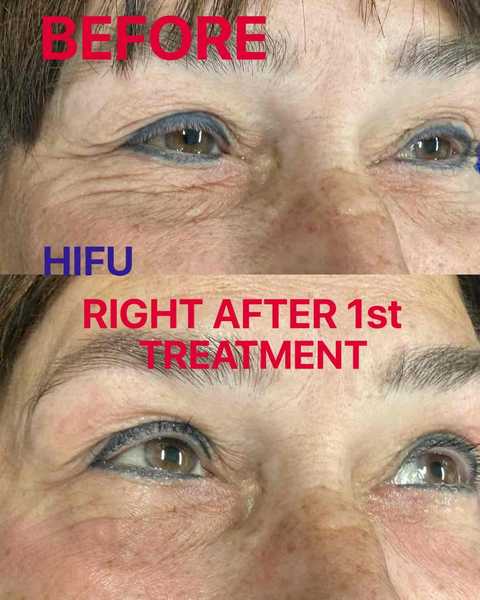
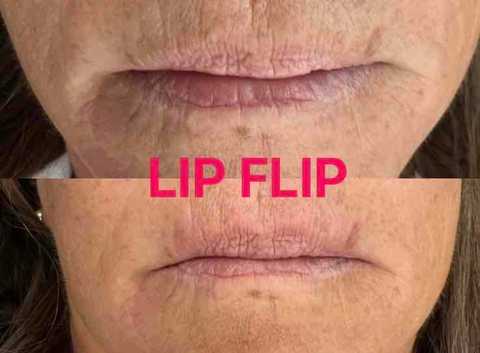
See examples of our Resurfacing work and results.







What Our Clients Say
$$MultiPurposeText$$
Read testimonials from our satisfied customers

The process was fast and painless. The studio was also nice and comfortable. I will defini...more

Wonderful service! She did an amazing job with my mom and my facials. Highly recommended.

Nice facility, great service, and a very accommodating owner. I would recommend.

Had my first procedure and had a great experience. Looking forward to my next and seeing t...more

So happy to have found my new go-to place!!! Very happy with my first visit! Thank you so ...more

Great customer service. Very clean and nice atmosphere.

Frequently Asked Questions
Get answers to common questions about Resurfacing.
Most clients notice improvement after a single session, but optimal results usually require a series of three to six treatments spaced four to six weeks apart. Your specialist will customize the plan based on skin type and treatment goals.
Resurfacing with SQT is generally well tolerated; most clients describe mild warming, tingling, or slight stinging. We apply topical anesthetic or cooling measures as needed to increase comfort and reduce sensitivity during and after treatment.
Good candidates include people with uneven texture, sun damage, mild scarring, or early signs of aging. A consultation evaluates medical history, skin type, and expectations to determine if SQT resurfacing is safe and effective for you.
Before Resurfacing, avoid sun exposure, tanning beds, and harsh exfoliants for two weeks. Discontinue retinoids or certain acids per provider guidance. Arrive with clean skin; your clinician will review pre-care steps to optimize safety and results.
Temporary redness, mild swelling, flaking, or sensitivity are common and typically resolve within days to a week. We provide aftercare instructions, creams, and sunscreen guidance to support healing and minimize complications.
Yes, Resurfacing can be combined with complementary treatments like hydrating facials, LED therapy, or body contouring consultations, but sequencing matters. Your provider will design a safe, effective schedule to avoid irritation and maximize cumulative benefits.