


Ulthera-Neck 50% Off $1,500 Gallery
$$MultiPurposeText$$
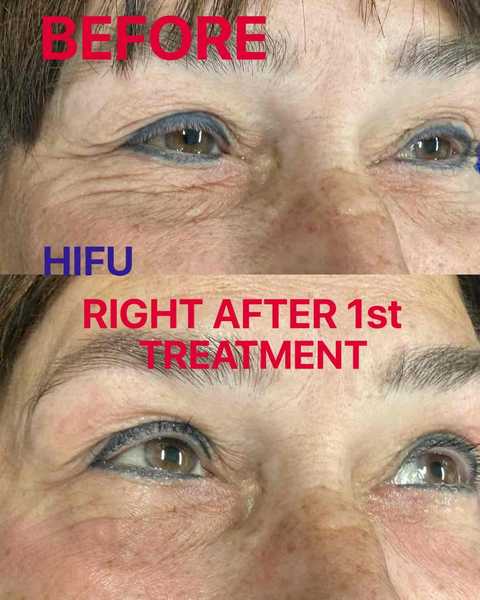
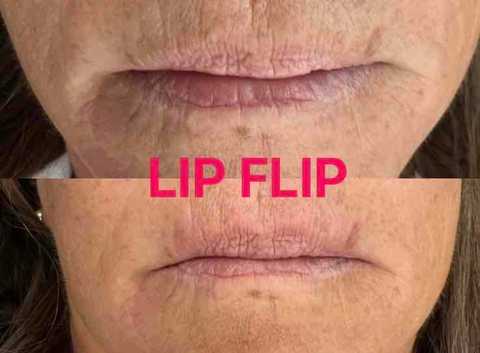
See examples of our Ulthera-Neck 50% Off $1,500 work and results.






What Our Clients Say
$$MultiPurposeText$$
Read testimonials from our satisfied customers

The process was fast and painless. The studio was also nice and comfortable. I will defini...more

Wonderful service! She did an amazing job with my mom and my facials. Highly recommended.

Nice facility, great service, and a very accommodating owner. I would recommend.

Had my first procedure and had a great experience. Looking forward to my next and seeing t...more

So happy to have found my new go-to place!!! Very happy with my first visit! Thank you so ...more

Great customer service. Very clean and nice atmosphere.

Frequently Asked Questions
Get answers to common questions about Ulthera-Neck 50% Off $1,500.
A typical Ultherapy neck session lasts 45–90 minutes depending on neck area and extent treated. Your provider will customize treatment time; consultation will estimate duration and energy levels used for optimal lifting and comfort.
Ultherapy is safe for most skin types because it treats deeper tissue beneath the skin. Ideal candidates have mild to moderate neck laxity; a consultation screens medical history and concerns to confirm suitability and any precautions.
Some patients notice immediate tightening, but collagen remodeling takes time. Most clients see progressive improvement over 2–3 months with optimal results by six months, and continued improvement up to a year as collagen strengthens.
We use topical numbing and comfort measures; many clients tolerate treatment well. Oral analgesics or local nerve blocks can be offered if needed. General anesthesia is not required for Ultherapy neck procedures in our clinic.
Typically one full treatment produces meaningful lifting, though individual needs vary. Some patients elect a touch-up at 6–12 months for maintenance. Your provider will recommend a personalized plan during consultation.
Common side effects include temporary redness, swelling, tenderness, or numbness that usually resolve within days to a few weeks. Serious complications are rare; report persistent pain, severe swelling, or sensory changes to your provider promptly.